

You want the pool gone, not buried, not disguised, gone. Maybe you’re planning an extension or a granny flat over that corner of the yard, maybe you’re selling and don’t want a filled-in pool complicating the contract, or maybe you simply want the job done once and done completely. Full pool removal is exactly that: the entire structure comes out, and what’s left behind is properly compacted ground.
Hunter Pool Removals organises full pool demolition across Newcastle, Lake Macquarie and Maitland, with every job carried out by independent local demolition and excavation professionals.
Get a free quote. A few photos of the pool and your side access are enough to start the conversation.
What Does Full Pool Removal Involve?
Full pool removal takes out the entire pool shell, coping, plumbing and equipment, then backfills and compacts the hole in layers so nothing of the pool remains in the ground. Full removal suits owners planning to build over the area, sellers wanting a clean contract, and pools past their working life, typically running $10,000-$25,000+ depending on pool construction and access.
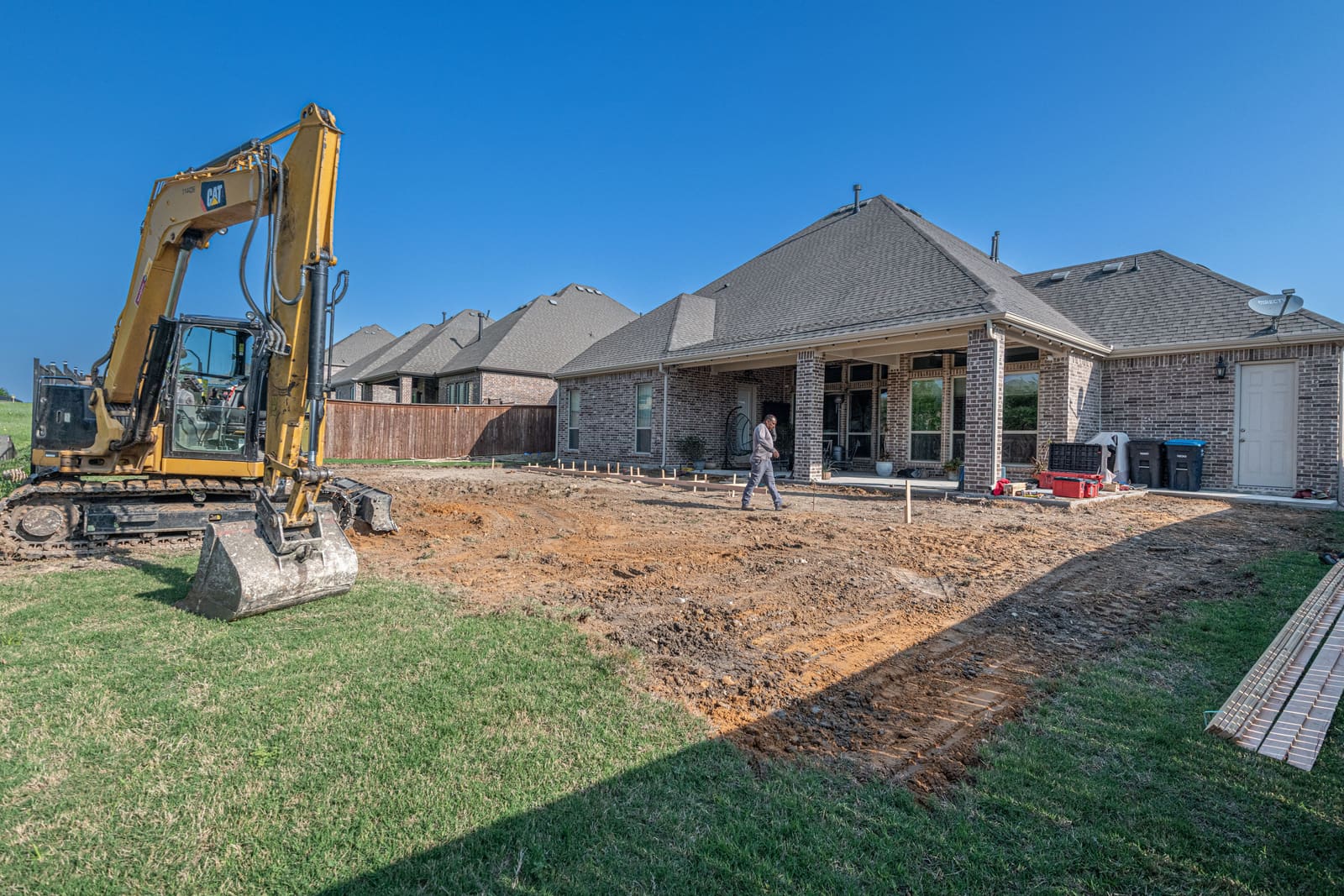
In a full removal, nothing of the pool stays in the ground. That means:
- The complete shell (concrete, gunite, fibreglass or vinyl-and-frame), broken up or cut out and carted away.
- Coping, tiles, decking and bond beam around the pool edge.
- Plumbing, skimmer boxes, lights and fittings, with pipework capped back appropriately.
- The equipment set (pump, filter, chlorinator) removed, with electrical disconnection by a licensed electrician.
- All demolition material transported off site to lawful disposal or recycling facilities; clean concrete is typically crushed and recycled rather than landfilled.
The hole is then backfilled with clean fill placed and compacted in layers, the approach that separates ground you can trust from a soft patch that slumps after the first wet winter. We cover the earthworks in detail on our excavation, backfilling and compaction page.
Because no pool material remains, full removal gives you the most flexibility. If there’s any chance you’ll build over the footprint (an extension, garage, secondary dwelling), this is the method to talk about first. Our guide on building over a filled-in pool explains why.
When Full Removal Is the Right Call
Full pool removal tends to suit:
- Owners planning to build. Extensions, granny flats, garages and decks on footings generally need certified, engineered fill, which starts with the whole shell being out of the ground.
- Sellers who want a clean contract. A fully removed pool with documented compaction is a simpler story for buyers, building inspectors and conveyancers than a buried shell.
- Pools at genuine end of life. A lot of the concrete pools built around Newcastle and the lake suburbs in the 1970s-90s are now cracked, leaking or structurally tired; burying a failing shell as-is rarely makes sense.
- Anyone who wants maximum future options. Plans change; fully removed, properly compacted ground keeps every option open.
If budget is the bigger driver and you only want lawn or garden over the area, a partial removal and fill-in can be thousands cheaper. Both can be quoted so you can compare like for like.
Our Full Pool Removal Process
- First contact. Send the quote form with photos of the pool, the surrounds and your access. We’ll give you a realistic early steer on method and budget.
- Site inspection and itemised quote. A independent local contractor inspects the pool construction, measures access (the gap between house and fence decides a lot in older Newcastle and lake-side streets), and checks slope, retaining walls and anything unusual. You get a written, itemised quote.
- Approvals and pre-start checks. Whether your demolition can proceed as exempt or complying development depends on your site and council. We give plain-English guidance, but always confirm with your council or a private certifier. Before machinery arrives we complete Before You Dig Australia utility checks and assess older surrounds and pump sheds for possible asbestos; if found, only licensed asbestos removalists touch it. In parts of the region we also flag mine-subsidence checks worth making.
- Drain and disconnect. The pool is dewatered in line with council and Hunter Water guidance, and power to pool equipment is disconnected by a licensed electrician.
- Demolition. Excavators with rock breakers (for concrete) or cutting equipment (for fibreglass) break the shell out completely, including the floor. On tight blocks, smaller machines or partial hand demolition keep the job moving.
- Cart away and lawful disposal. Rubble and shell material are loaded out and transported to recycling or lawful disposal facilities. Any regulated waste goes only with appropriately licensed transporters.
- Backfill and compaction. Clean fill goes in layer by layer, compacted at each lift. Where you’re planning to build, we can arrange compaction (density) testing and documentation for your engineer or certifier.
- Finish and paperwork. The site is levelled and left tidy (topsoil and turf can be quoted as options), and we guide you through removing the pool from the NSW Swimming Pool Register so the fencing and inspection obligations end with the pool.
How Much Does Full Pool Removal Cost in Newcastle & Lake Macquarie?
In Newcastle and Lake Macquarie, full pool removal typically costs $10,000-$25,000+, with fibreglass or vinyl pools with good access at the lower end and concrete pools on tight or sloping blocks at the top. Pool construction, access and fill requirements are the biggest cost drivers; every figure below is an indicative guide only, confirmed by a free site inspection and formal quote.
The big levers are pool construction, pool size, access and what happens to the hole afterwards. Concrete shells cost more to break and cart than fibreglass. A truck-friendly corner block in Maitland is cheaper to work on than a sloping Warners Bay backyard reached through a 900 mm side gate. Fill quantity, tipping and recycling fees, and any compaction certification also move the number.
Indicative ranges only, every job is confirmed after a site inspection and formal written quote:
| Full removal scenario | Indicative range |
|---|---|
| Fibreglass or vinyl pool, good access | $10,000-$16,000 |
| Concrete pool, average size, reasonable access | $12,000-$20,000 |
| Concrete pool, tight access or sloping block | $18,000-$25,000+ |
| Add-ons: crane hire, hand demolition, compaction certification | quoted per site |
For a factor-by-factor breakdown, read our pool removal cost guide.
What’s Included and What May Cost Extra
Typically included in a full removal quote:
- Complete demolition and removal of the shell, coping and fittings
- Cartage and lawful disposal or recycling of all material
- Clean backfill supplied, placed and compacted in layers
- BYDA utility checks and site rough-levelling
- Guidance on council requirements and NSW Swimming Pool Register removal
May be quoted separately:
- Council or certifier fees, if approval is required for your site
- Licensed asbestos removal, if asbestos is identified in surrounds or sheds
- Crane hire or extensive hand demolition on very tight blocks
- Compaction testing and geotechnical certification for future building
- Topsoil, turf, new fencing, concreting or landscaping finishes
- Removal of extras beyond the pool: large slabs, cabanas, retaining walls
Nothing gets added on the day without a conversation first. The quote is itemised so you can see exactly what you’re paying for.
Related Services and Where We Work
Comparing methods? See partial pool removal and fill-ins for the lower-cost option, concrete pool removal for detail on the heaviest shells, and pool excavation and backfill for how the ground gets reinstated.
Pool removal is arranged across the whole region, including Newcastle and its older inner suburbs, Charlestown and surrounding hills, and the lakeside streets around Warners Bay.
Full Pool Removal FAQs
Can I build over the area after a full pool removal?
Generally yes, that’s the main advantage. With no shell remaining, the ground can be backfilled as engineered fill with compaction testing, which is what certifiers usually want before approving footings. Always get site-specific engineering advice before designing a structure over any former pool area.
How long does a full pool removal take?
Once approvals and utility checks are done, most full removals take three to five days on site. Concrete shells, tight access and wet weather push toward the longer end; your quote includes a realistic timeframe for your block.
Is full removal worth the extra cost over a fill-in?
If you may ever build over the footprint, or you want the simplest position when selling, usually yes. If you only want lawn and the budget matters more, a partial fill-in is legitimate and significantly cheaper. Our partial vs full guide walks through the trade-off, and both can be quoted on request.
Do I need council approval for full pool demolition in Newcastle or Lake Macquarie?
It depends on the site and the council: some jobs qualify as exempt or complying development, others need approval, and heritage or environmentally sensitive sites have extra layers. We’ll give you a straight answer for your block, but confirm with your council or a private certifier before work starts.
What happens to the pool water?
The pool is drained before demolition, following council and Hunter Water requirements; chlorinated or salt water isn’t simply pumped into the street. Dewatering is built into the job, not left to you.
Get the Pool Out Properly
One quote, one contractor, and a backyard with nothing buried in it. Get a free quote online. Send a few photos and you’ll get honest numbers for full removal, with a fill-in price alongside it if you want to compare.