

Every pool removal ends the same way: a big hole that has to become solid ground again. Whether you’re partway through planning a removal, comparing quotes that gloss over what goes back in the hole, or you’ve inherited a badly filled pool that’s now a dip in the lawn, the earthworks are where the job is truly won or lost.
Hunter Pool Removals treats excavation, backfilling and compaction as the core of every pool removal we organise across Newcastle, Lake Macquarie and Maitland, carried out by independent local excavation contractors who understand this region’s soils, slopes and drainage.
Get a free quote to talk through your site.
What Does Pool Excavation, Backfilling and Compaction Involve?
Done properly, pool excavation, backfilling and compaction is a controlled sequence: clean fill is placed in 200-300 mm layers, moisture-conditioned and compacted before the next layer goes on, rather than dumped in all at once. This staged process is what decides whether a filled pool site stays level for good or turns into a sunken patch within a couple of winters, and it runs as part of every full removal or partial fill-in.
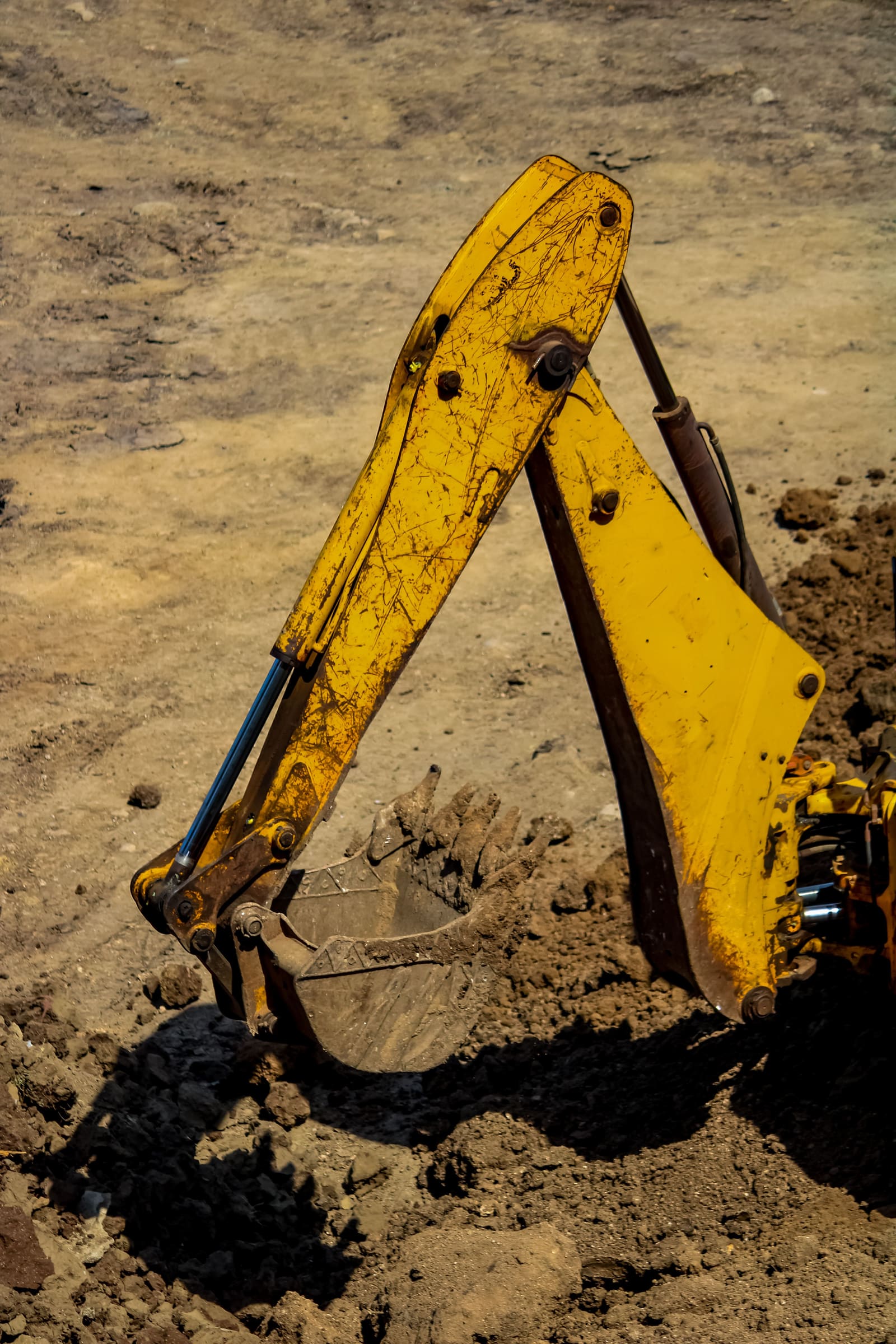
Backfilling a pool void is not “tip dirt in until it looks full”. Done properly, it’s a controlled sequence:
- Excavation and preparation. After demolition, the void is cleaned up: loose debris out, edges battered back where needed, and (in a partial removal) drainage holes confirmed through the remaining floor so water can escape the old shell.
- Fill selection. The hole is filled with suitable clean material, typically virgin excavated natural material (VENM) or other approved clean fill, chosen for how well it compacts. What you don’t want is uncontrolled fill: stumps, green waste, mixed building rubbish or anything that decomposes and leaves voids.
- Placement in layers (“lifts”). Fill goes in at roughly 200-300 mm at a time, never in one dump. Each lift is compacted with plate compactors, rollers or excavator compaction wheels before the next goes on.
- Moisture conditioning. Fill compacts best within a moisture range: too dry and it won’t bind, too wet and it pumps. Contractors condition the fill as they go, which matters on the clay-heavy soils found through much of Lake Macquarie and the reactive ground in parts of Newcastle’s older suburbs.
- Finishing. The surface is graded to shed water away from the house and any remaining structures, rough-levelled, and finished with topsoil and turf if you’ve optioned them.
- Compaction testing (optional). Where you plan to build over the area, a geotechnical technician can test density at intervals through the fill and issue documentation your engineer or certifier can rely on.
The physics is simple: loose-tipped fill can settle for years as it consolidates under its own weight and rainfall. Layered, compacted fill is dense from day one. The difference shows up two winters later as either a level lawn or a saucer-shaped depression collecting water over your old pool.
Who Needs This Page, and This Service
- Anyone getting pool removal quotes. Use this page as a checklist. Ask every contractor: what fill, what layer thickness, what compaction equipment, and can they arrange testing? Vague answers on any of these are the single biggest red flag in this industry.
- Owners planning to build over the area. Footings over former pool voids need engineered, certified fill. That has to be planned before backfilling starts; it can’t be retrofitted. Read our guide on building over a filled-in pool, then talk to us early.
- Owners of a previously botched fill-in. Sunken patches, boggy ground after rain, or a pool “filled” years ago with who-knows-what. Remediation (excavating poor fill, re-establishing drainage and recompacting properly) is a job we’re asked about regularly around the region’s older housing stock.
- Sloping and lakeside blocks. Around Belmont, Valentine and the western lake, pools often sit cut into slopes with retaining structures nearby, and water tables can be high. Backfill on these sites has to handle drainage deliberately, not incidentally.
This service runs as part of every full pool removal and partial fill-in we organise. This page exists so you can see exactly what “backfilled and compacted” should mean before you sign anything.
The Process, Step by Step
- Talk to us. Send the quote form. If it’s a remediation of an old fill-in, photos of the sunken area and anything you know about the original work help a lot.
- Site inspection. An independent contractor assesses the void or failed fill, soil type, slope, drainage paths and truck access for fill deliveries. A pool that needs 60-100 cubic metres of fill needs a workable route for the trucks bringing it.
- Pre-start checks. Before You Dig Australia utility checks before any excavation, and confirmation of any council requirements for your site. Earthworks rules vary by council and situation, so we advise confirming specifics with City of Newcastle, Lake Macquarie City Council or Maitland City Council. In known mine-subsidence areas we’ll flag whether additional checks are prudent for your block.
- Excavation and void preparation. Debris removed, drainage confirmed, edges prepared. For remediations, poor fill is dug out until the contractor reaches sound material.
- Staged backfill. Clean fill delivered, placed in lifts, moisture-conditioned and compacted layer by layer. On tight-access blocks, fill moves from the street to the hole by smaller machine or conveyor, slower, but it’s how half the backyards around here get done.
- Testing where specified. If you’ve optioned compaction testing, density tests are taken through the fill profile and reported for your records.
- Finish. Final grading to shed water correctly, rough level as standard, topsoil and turf if selected. You keep the documentation (fill dockets, test results), which is gold when you sell or build.
How Much Does Pool Backfilling and Compaction Cost?
Pool backfilling and compaction is normally bundled into a full removal or fill-in quote, but priced alone it typically runs $4,000-$15,000+: roughly $4,000-$9,000 to backfill an existing open void with good access, and $6,000-$15,000+ to remediate a previously botched fill-in. Volume, fill cost, access and drainage complexity drive the number, confirmed only after a site inspection and formal quote.
The main variables are volume (pool size and depth set how many cubic metres of fill you’re buying), fill price and cartage distance, access (each barrow or conveyor transfer adds handling), drainage complexity on sloping or wet sites, and whether testing and certification are required. Remediation jobs add the cost of excavating and disposing of the failed fill first.
Indicative ranges only, every job is priced after a site inspection and formal quote. Backfill is normally bundled inside a complete removal price; the figures below are for the earthworks component and standalone jobs:
| Scenario | Indicative range |
|---|---|
| Backfill and compaction within a standard pool removal | included in removal quotes, see cost guide |
| Standalone backfill of an existing open void, good access | $4,000-$9,000 |
| Remediation of a failed/poor previous fill-in | $6,000-$15,000+ |
| Compaction testing and geotechnical documentation | quoted per site |
The pool removal cost guide sets these numbers in the context of a whole removal project.
Included vs Extra
Typically included:
- Void preparation and drainage confirmation
- Clean, suitable fill supplied with delivery dockets
- Placement in lifts with layer-by-layer compaction
- Final grading and rough levelling
- BYDA checks and plain-English guidance on council requirements
Usually extra:
- Geotechnical compaction testing and certification
- Excavation and lawful disposal of failed fill on remediation jobs
- Subsoil or surface drainage works on wet or sloping sites
- Topsoil, turf, garden preparation and other landscaping finishes
- Conveyor or crane handling on extreme-access blocks
Related Services and Where We Work
Backfill quality is a chapter in every removal story. See full pool removal, partial fill-ins and concrete pool removal for the demolition side of the job.
Earthworks are handled right across the region: the reactive soils of inner Newcastle, the slopes around Charlestown, and lakeside ground from Belmont around the shoreline.
Backfilling & Compaction FAQs
How much fill does a swimming pool hole take?
A typical backyard pool void runs roughly 50-120 cubic metres depending on size and depth, less for a partial removal where broken shell material is seated in the base. Volume is calculated at inspection so fill is ordered once, not dribbled in with surprise delivery fees.
What kind of fill should go into a pool hole?
Clean, compactable material: virgin excavated natural material (VENM) or equivalent approved clean fill, often finished with a sand or select blend near the surface for lawns. Never accept green waste, stumps, mixed demolition rubbish or “free fill” of unknown origin: organic material rots and leaves voids, and contaminated fill can become an expensive legal problem in your ground.
Will the ground settle after backfilling?
Properly compacted fill exhibits minimal settlement; minor surface adjustment in the first season is normal and easily topdressed. Significant sinking is the signature of loose-tipped fill or missing drainage. Layered compaction exists precisely to prevent it, which is why we put it in writing.
Can you fix a pool that was filled in badly years ago?
Usually, yes. The honest answer is that remediation means excavating the poor fill (and disposing of it lawfully), re-establishing drainage through the old shell if one remains, then rebuilding the fill in compacted layers. It costs more than doing it right the first time, a useful fact if you’re currently comparing removal quotes.
Do I need compaction testing?
For lawn and garden, layered compaction done properly is generally sufficient without formal testing. If you may build anything with footings over the area, or want maximum resale confidence, testing and documentation are cheap insurance and can only be done while the fill is going in. Your engineer or certifier is the final word on what a future structure needs.
Does wet weather stop backfilling work?
Heavy rain can pause placement, because overly wet fill won’t compact properly and a good contractor won’t pretend otherwise. A short weather delay is a sign the job’s being done right; fill dumped in the rain to hit a deadline is how sunken lawns happen.
Get the Ground Right the First Time
The hole is temporary; the fill is forever. Get a free quote online, and you’ll get it spelled out: exactly what goes back into your ground, how it’s compacted, and what it will cost, before a single machine arrives.